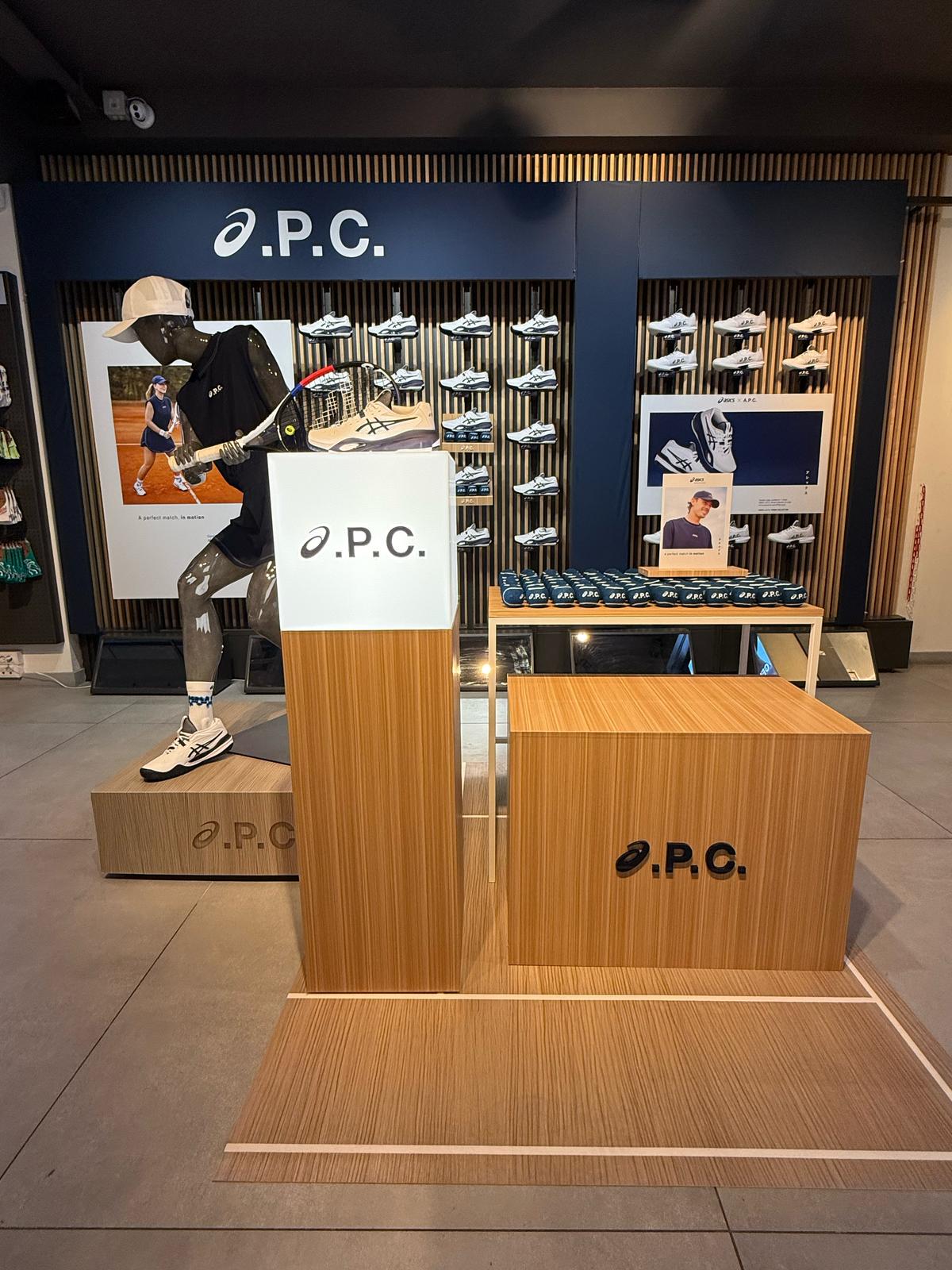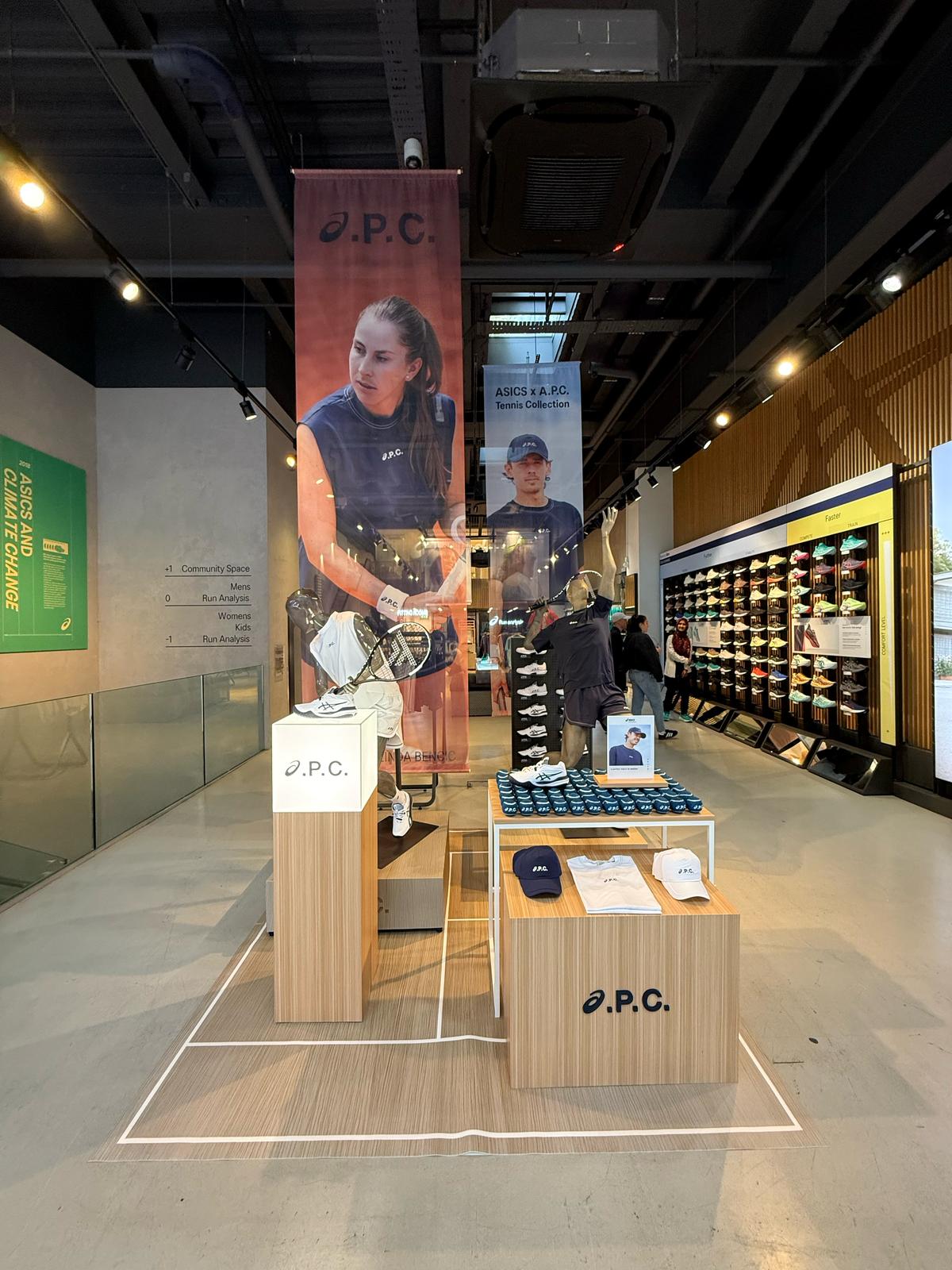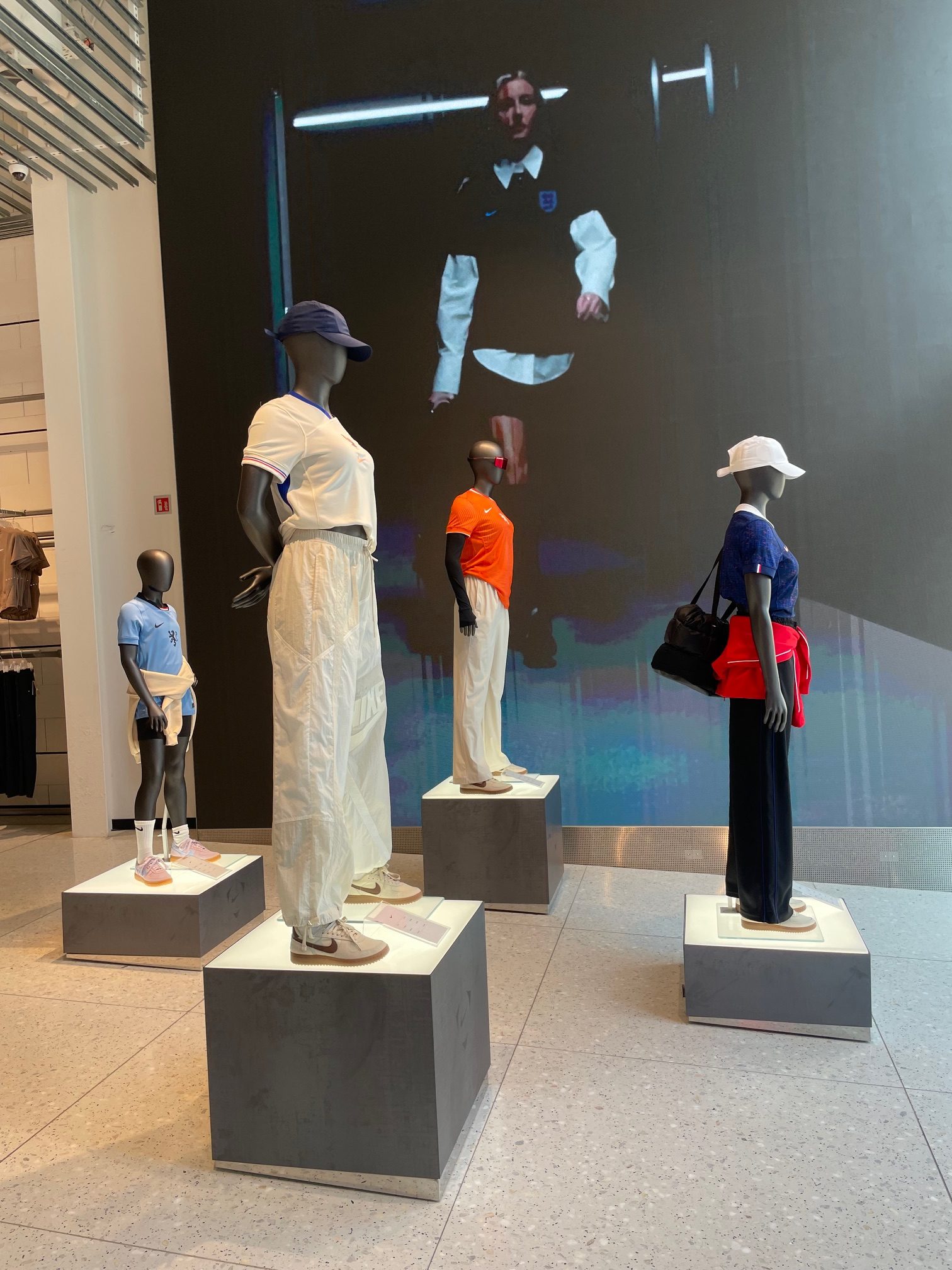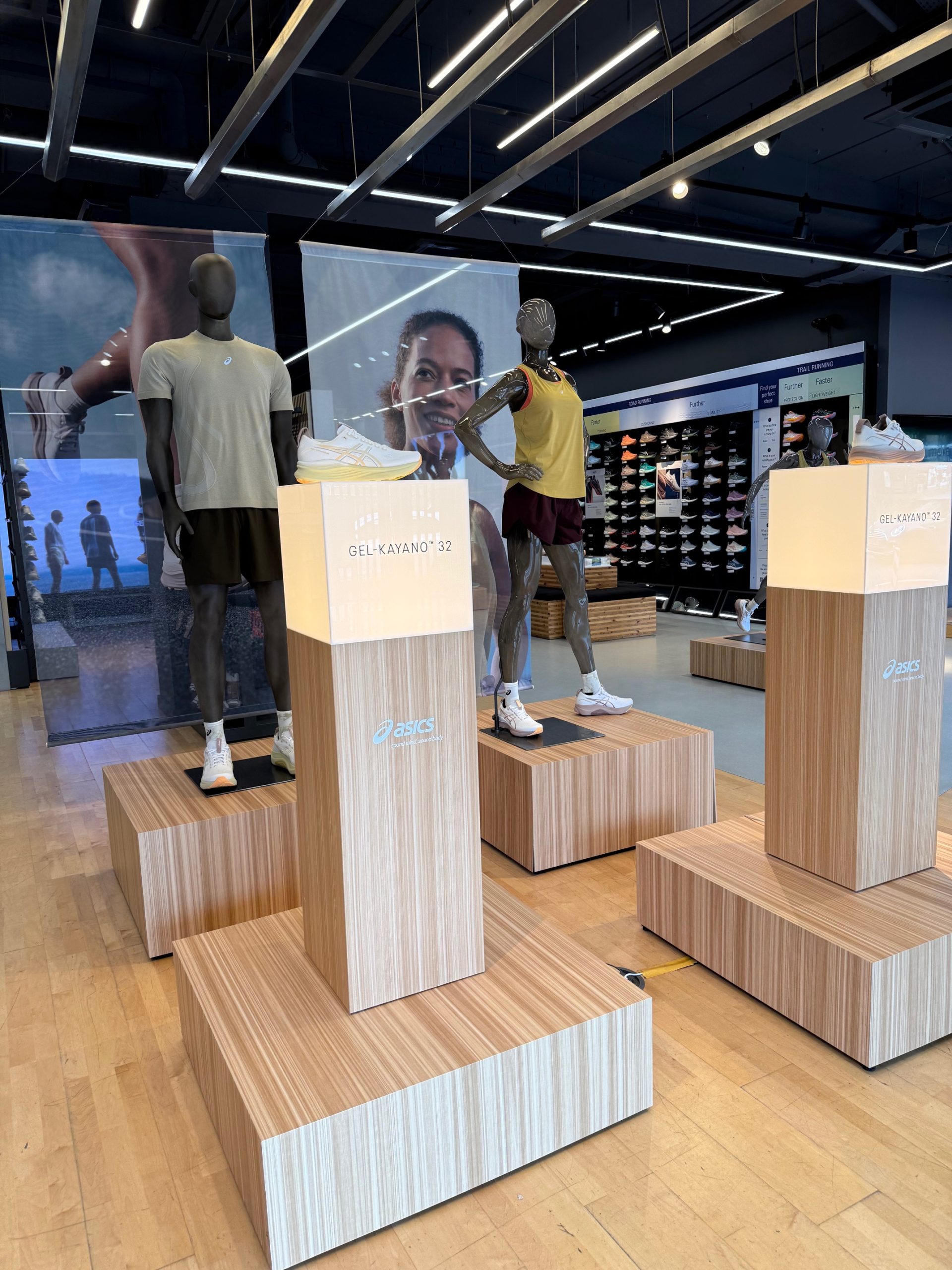
Engaging landing zone experiences

Make your first impression count - right at the entrance.

Our landing zone experiences turn high-traffic areas into high-impact brand moments. With immersive design, smart layout, and interactive elements, we grab attention from the very first step.

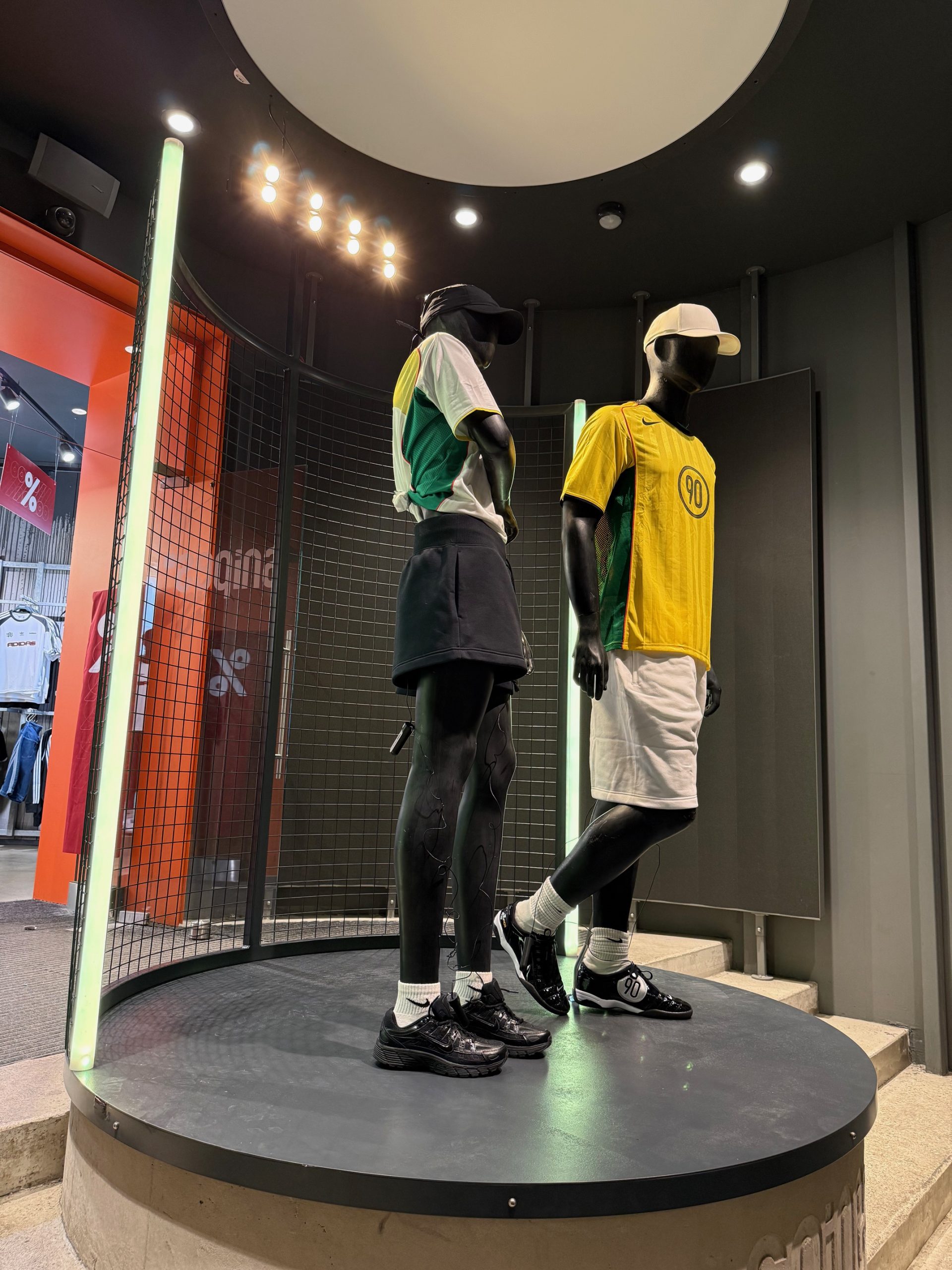
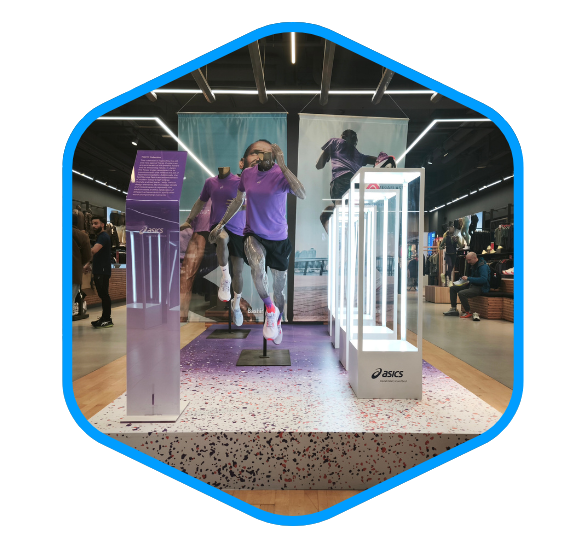
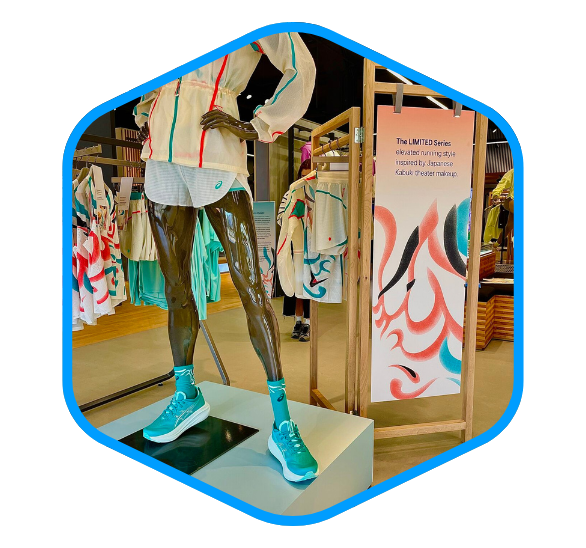
Landing zones in retail environments and their added value Landing zones play a crucial role in modern retail environments. They are the first physical touchpoints customers encounter when entering a store and therefore set the tone for the entire shopping experience. Positioned strategically near entrances or high-traffic transition areas, landing zones are designed to immediately capture attention, communicate brand values, and guide customers into the store in a natural and engaging way. A well-designed landing zone acts as a visual and emotional anchor. It introduces customers to key messages such as new collections, seasonal campaigns, innovations, or brand stories. By presenting a clear and compelling narrative at the very start of the customer journey, landing zones help reduce decision fatigue and provide orientation in the retail space. Customers instantly understand what the brand stands for and what is currently relevant, which increases confidence and willingness to explore further. From a commercial perspective, landing zones have a direct impact on customer behavior. Research within retail design consistently shows that strong first impressions influence dwell time and purchasing intent. When customers are welcomed by an inspiring and well-curated landing zone, they are more likely to stay longer in the store, interact with products, and make impulse purchases. Landing zones can also be used to subtly steer traffic flow, leading customers towards priority categories, promotional areas, or experiential zones deeper in the store. In addition to driving sales, landing zones strengthen brand identity and consistency. Through the use of recognizable visual elements such as color, materials, lighting, typography, and messaging, they reinforce brand recognition across different store locations. This consistency is especially important for global or multi-store retailers, where landing zones help create a unified brand experience regardless of location. At the same time, modular systems allow for localization, enabling stores to adapt content while maintaining a coherent overall look and feel. Digital and interactive elements further enhance the value of landing zones. Screens, lightboxes, motion graphics, or interactive touchpoints can transform static displays into dynamic brand experiences. These technologies allow retailers to update content quickly, highlight storytelling, and respond to changing campaigns or customer needs. Interactive landing zones can also bridge the gap between physical and digital retail by integrating QR codes, mobile interactions, or data-driven personalization, increasing engagement and memorability. Flexibility and sustainability are additional advantages of well-planned landing zones. Modular constructions and reusable components make it easier to update visuals without replacing entire installations. This not only reduces costs over time but also aligns with sustainable retail strategies by minimizing waste and encouraging circular use of materials. Landing zones can therefore support both creative ambition and responsible design principles. Ultimately, landing zones are more than decorative features; they are strategic retail tools. They shape the customer journey, communicate brand values, enhance engagement, and contribute directly to commercial performance. By investing in thoughtful, adaptable, and well-executed landing zones, retailers create a strong foundation for meaningful customer experiences and long-term brand growth.

What we've made

Want to activate your landing zone with stopping power?

Let’s create a brand experience that draws shoppers in and keeps them engaged. Contact us to explore the possibilities.

We work with

Landing zones

Landing zones are the first areas customers notice when entering a store, immediately shaping their shopping experience. Thoughtful entry points help visitors navigate the space, discover key products, and feel the brand’s personality from the very start. At The Brand Hub, we design welcoming retail spaces that are both functional and visually engaging, making every visit intuitive and enjoyable.

These first-touch areas act as visual and emotional anchors. They introduce visitors to new collections, seasonal campaigns, or promotional highlights. By presenting clear messages early in the customer journey, these areas help shoppers orient themselves, make confident choices, and understand the brand’s core values quickly. This encourages exploration and engagement throughout the store.

From a commercial standpoint, these front-of-store zones influence behavior directly. Research in retail design shows that strong first impressions affect dwell time and purchase intent. When customers enter well-curated spaces, they are more likely to engage with products, interact with displays, and explore deeper areas of the store. Entry areas can also subtly guide traffic flow toward priority categories, promotional sections, or experiential zones.

Visual storytelling is central to effective initial retail spaces. Every element—from lighting and signage to product displays and graphics—communicates the brand’s identity consistently. Thoughtful use of color, typography, and imagery guides customers, highlights featured products, and reinforces brand messaging. The result is an environment that attracts attention, encourages exploration, and strengthens the emotional connection with the brand.

Modularity and flexibility are key. Fixtures and display systems are often reusable and adaptable, allowing seasonal updates, product rotations, or new campaigns without complete redesigns. This approach improves operational efficiency and supports sustainability goals by reducing waste and extending material lifecycles.

Digital and interactive elements enhance these spaces further. Screens, motion graphics, lightboxes, or interactive touchpoints provide dynamic content, product information, and storytelling opportunities. Digital elements can be updated in real-time, helping brands respond to campaigns or customer needs while gaining insights into engagement patterns.

Operational efficiency is also vital. By carefully planning initial retail zones, staff can maintain displays, restock products, and update visuals efficiently. Modular layouts and clear guidelines simplify seasonal updates or special events while keeping the store organized and visually appealing.

In addition to creating impactful entry points, we focus on customer comfort and flow throughout the store. Thoughtful placement of displays, lighting, and seating areas ensures a pleasant visit and encourages longer engagement. By combining clear navigation, informative signage, and inspiring visuals, visitors can explore at their own pace while still experiencing all the highlights of the retail environment.

Ultimately, landing zones are more than decorative areas; they are strategic retail tools. They guide the customer journey, communicate brand values, enhance engagement, and contribute to commercial performance. Thoughtful, adaptable, and well-executed spaces provide a foundation for meaningful customer experiences and long-term brand growth.

Every project we deliver combines planning, collaboration, and execution. Our teams work closely with store managers, brand teams, and production partners to ensure smooth deployment and consistent quality. Activations, displays, and shop-in-shops are designed to impress visually while functioning efficiently, maintaining a strong and consistent presence across all store locations.

Finally, creating impactful first-touch areas is about more than aesthetics. It’s about understanding customer movement, capturing attention, and ensuring every element—from signage to layout—contributes to a seamless and memorable shopping experience. Thoughtful entry points lead to increased engagement, stronger brand recognition, and measurable commercial results.